What Outdoor Surfaces Around Dayton Homes Benefit Most From Pressure Washing?
A driveway covered in dark stains, a patio turning green, or a sidewalk that looks permanently dirty can make an otherwise well-maintained home appear neglected. These problems are common on outdoor surfaces exposed to rain, moisture, shade, and everyday use.
For homeowners in Dayton, MD, pressure washing is especially beneficial for driveways, sidewalks, patios, pool decks, entryways, and certain exterior walls. These areas collect dirt, algae, mildew, and other buildup that ordinary rinsing may not remove.
However, not every surface should be cleaned the same way. Understanding which areas benefit most, and which materials need extra care, can help you make better decisions about maintaining your home's exterior.
Which Outdoor Surfaces Benefit Most From Pressure Washing?
The surfaces that usually benefit most from exterior cleaning are those exposed to frequent foot traffic, vehicles, moisture, and organic buildup.
Around Dayton homes, these commonly include concrete driveways, walkways, outdoor living areas, pool surroundings, and house exteriors.
Professional pressure washing can help remove accumulated grime and improve the appearance of these surfaces when the cleaning method is appropriate for the material.
Let's look at the areas where cleaning often makes the biggest visible difference.
Driveways: One of the Most Noticeable Areas to Clean
Your driveway takes up a large portion of your home's visible exterior. Even if your landscaping and house are well-maintained, a stained driveway can affect the overall appearance of your property.
Over time, driveway surfaces collect:
Dirt and mud from vehicles and foot traffic
Tire marks and road grime
Oil residue and automotive stains
Algae and mildew in damp areas
Leaves, pollen, and other organic debris
Concrete is porous, meaning certain liquids and stains can penetrate below the surface.
Pressure washing can remove substantial surface buildup, although older oil stains, rust, and deeply absorbed discoloration may require specialized treatment and may not disappear completely.
When Should You Consider Driveway Cleaning?
Look for dark patches, visible tire marks, green buildup, or noticeable differences between shaded and exposed sections.
If your driveway looks unevenly discolored despite regular sweeping, professional concrete cleaning may be worth considering.
Cleaning can improve the driveway's appearance, but it will not repair cracks, surface deterioration, or damaged concrete.
Sidewalks and Walkways: Keep Frequently Used Paths Cleaner
Sidewalks and walkways are among the most frequently used outdoor surfaces around a home.
They connect driveways, front entrances, patios, gardens, and other areas of your property. Because they receive regular foot traffic and weather exposure, they can accumulate buildup relatively quickly.
Shaded walkways deserve particular attention.
Areas that receive limited sunlight may stay damp longer after rainfall. This creates conditions where algae and other organic growth can develop.
Pressure washing can help remove:
Ground-in dirt
Green or dark organic buildup
Mud and seasonal debris
Surface discoloration
Grime concentrated around walkway edges
Removing organic buildup may also reduce some slippery surface conditions, although cleaning does not make a walkway slip-proof.
For Dayton homeowners, checking paths near landscaping, trees, and shaded entrances is a practical place to start.
Patios: Refresh Outdoor Living Spaces
Patios are meant for relaxing, dining, and spending time outside. Unfortunately, they also collect dirt from outdoor furniture, foot traffic, plants, and changing weather conditions.
A patio may look clean from a distance but still have darkened joints, green patches, or grime around furniture legs.
Common patio cleaning concerns include dirt, algae, mildew, food residue, and stains from leaves or planters.
The appropriate cleaning approach depends on the patio material.
Concrete patios generally tolerate different cleaning techniques than natural stone, decorative pavers, or surfaces with protective coatings.
For paver patios, the condition of joint sand and surrounding landscaping also matters. Excessive water pressure can disturb joints or damage delicate finishes.
Why Patio Cleaning Makes a Difference
A cleaner patio can make outdoor furniture, landscaping, and seating areas look more inviting without requiring a complete redesign.
It is particularly useful before hosting gatherings, preparing outdoor spaces for warmer weather, or addressing buildup after a damp season.
Pool Decks: Address Moisture-Related Buildup
Pool decks experience a combination of water exposure, foot traffic, sunscreen residue, and outdoor debris.
Depending on the surface material and surrounding conditions, algae and mildew may develop in areas that remain damp.
Professional cleaning can help remove dirt and organic buildup from suitable pool deck surfaces.
However, pool deck materials vary considerably. Textured concrete, coated surfaces, pavers, and decorative finishes may respond differently to pressurized water.
An appropriate cleaning method should account for the material, existing coatings, drainage, and proximity to pool water.
Signs Your Pool Deck May Need Cleaning
Watch for persistent green patches, dark discoloration, dirt concentrated in textured areas, and visible buildup around frequently used walking paths.
Cleaning can improve the appearance of the pool area, but damaged coatings, cracks, and structural problems require separate attention.
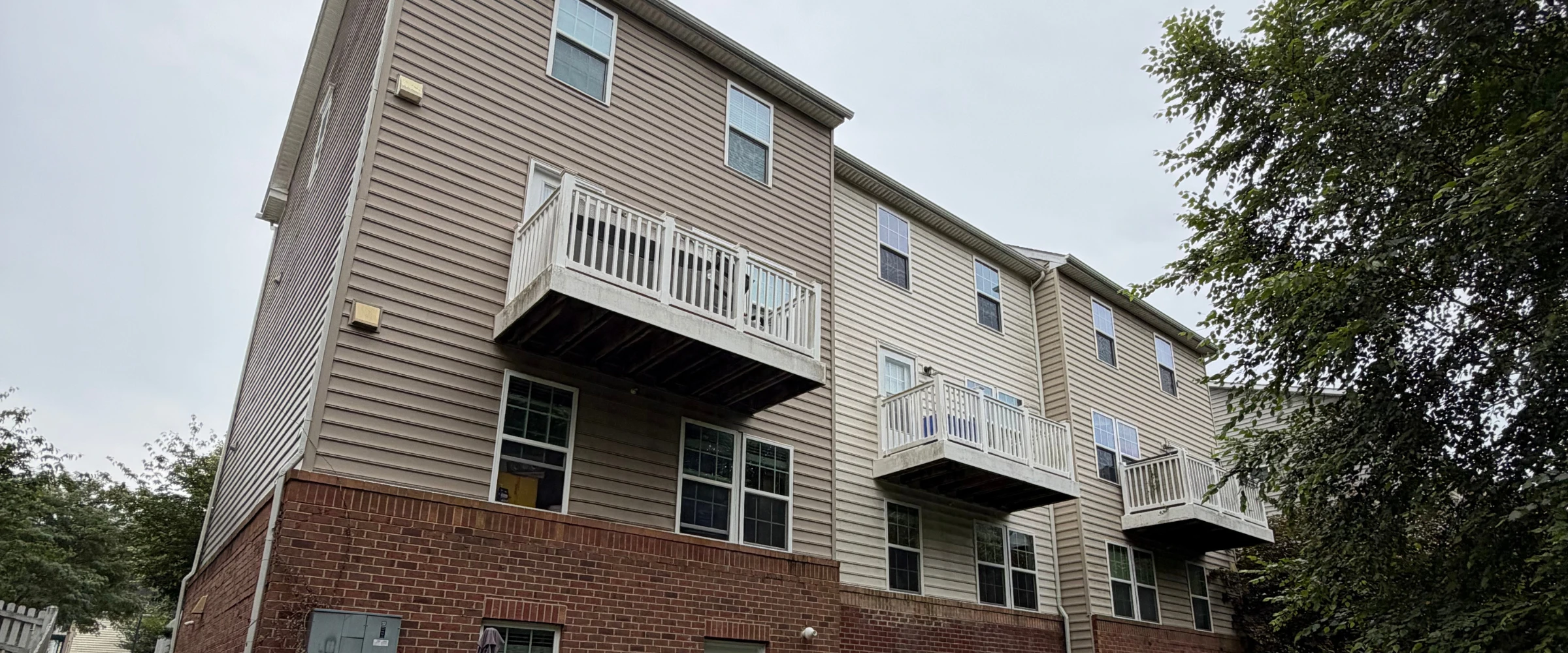
House Siding and Exterior Walls: Remove Visible Buildup Carefully
The exterior walls of your home are constantly exposed to the elements.
In Dayton, MD, rainfall, humidity, pollen, and shaded conditions can contribute to dirt and organic buildup on siding and other exterior materials.
You might notice green discoloration along one side of the house, dark streaks near trim, or patches that remain dirty after rainfall.
Exterior cleaning can help address these issues, but house washing is not the same as applying high pressure to concrete.
Vinyl siding, painted wood, stucco, masonry, and other exterior materials have different cleaning requirements.
Excessive pressure can force water behind siding, damage paint, loosen materials, or affect window seals.
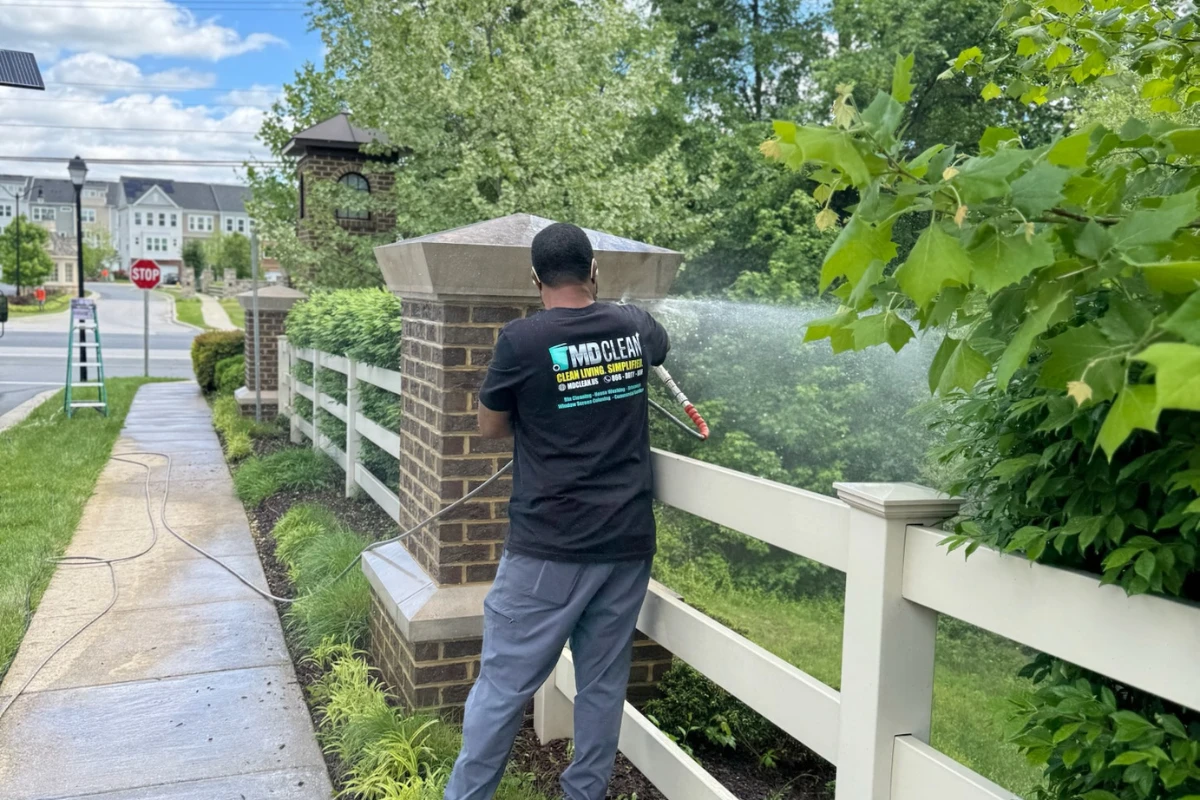
At MD Clean, we provide exterior cleaning services that include house washing and surface cleaning. Our approach considers the type of surface being cleaned rather than treating every material the same.
For sensitive house exteriors, a lower-pressure washing method may be more suitable than conventional high-pressure cleaning.
Entryways and Front Steps: Small Areas With a Big Visual Impact
The entrance to your home is one of the first places visitors notice.
Front steps, concrete landings, and entryway paths often collect dirt from shoes, rainwater, fallen leaves, and surrounding landscaping.
These areas may not cover much square footage, but cleaning them can make a noticeable difference.
Common concerns include darkened concrete steps, green buildup along edges, stains near planters, and grime around the front entrance.
Cleaning is particularly worthwhile when the entryway looks noticeably darker than the surrounding exterior.
Before washing, the surface condition should be checked. Loose mortar, damaged concrete, aging coatings, and nearby door seals may require special care.
Garage Floors and Exterior Concrete Areas
Garage floors and concrete areas near garages may develop stains from vehicles, storage activities, dust, and everyday use.
Unlike open driveways, some garage surfaces have coatings, sealers, or drainage limitations that affect how they should be cleaned.
Typical concerns include tire marks, dirt, oil residue, and surface discoloration.
Pressure washing may be suitable for certain garage floors, but the existing finish and water drainage must be considered.
Older oil stains and absorbed automotive fluids can be difficult to remove completely.
For heavily stained surfaces, the best cleaning approach depends on the contamination and condition of the concrete.
How Dayton's Weather Affects Outdoor Surface Cleaning
Dayton, MD experiences seasonal weather changes, including humid summer conditions, rainfall, autumn leaf accumulation, and winter freezing temperatures.
These conditions can influence how quickly outdoor surfaces become dirty.
Shade and Moisture Encourage Organic Growth
Driveways, sidewalks, and patios near trees or shaded areas may retain moisture longer than surfaces exposed to direct sunlight.
This can encourage algae and mildew buildup, particularly during warmer, humid periods.
Pollen and Leaves Contribute to Surface Grime
Spring pollen can leave a visible coating on outdoor surfaces.
During autumn, fallen leaves may trap moisture against patios, walkways, and driveways. As organic debris breaks down, it can contribute to discoloration.
Winter Can Reveal Existing Surface Problems
Freeze-thaw cycles may worsen cracks or other existing defects in vulnerable concrete and masonry.
Pressure washing cannot correct this damage. Surfaces that are already deteriorating should be evaluated before cleaning.
These seasonal changes mean outdoor maintenance should depend on the condition of your property rather than a fixed calendar alone.
Which Surfaces Need Extra Care Before Pressure Washing?
Although pressure washing works well for many durable outdoor materials, certain surfaces are more vulnerable to damage.
Wood Decks and Fences
Wood can become rough, splintered, or visibly marked when exposed to excessive water pressure.
Older boards, peeling finishes, and deteriorated wood require particular caution.
Composite Decking
Composite decking is not identical to natural wood. Cleaning requirements can vary by manufacturer, product line, and age.
Some composite products permit carefully controlled pressure washing, while others discourage it.
Decorative Concrete and Pavers
Stamped concrete, coated patios, and decorative pavers may have surface treatments that require gentler cleaning.
Aggressive washing can affect finishes and joint materials.
Painted or Aging Exterior Surfaces
Loose paint, oxidized siding, damaged mortar, and aging seals can be vulnerable to concentrated water pressure.
A proper surface assessment helps determine whether conventional pressure washing, gentler cleaning, or repairs are the appropriate next step.
How to Prioritize Outdoor Surfaces for Cleaning
If several areas around your Dayton home need attention, you do not necessarily have to clean everything at once.
A practical approach is to start with the surfaces that have the most visible buildup or receive the most regular use.
For example, a heavily stained driveway may be your first priority if improving curb appeal is the goal.
If you regularly entertain outdoors, a dirty patio may deserve attention before less visible areas.
Consider the following factors when deciding where to start:
Visibility: Which dirty surfaces are most noticeable from the street or entrance?
Use: Which areas experience the most foot traffic or outdoor activity?
Buildup: Where are algae, dirt, and grime most concentrated?
Material condition: Are there cracks, loose finishes, or other problems that should be addressed first?
Seasonal needs: Are you preparing for outdoor gatherings, warmer weather, or a home sale?
This approach helps you focus on areas where cleaning is likely to make a meaningful difference.
How Often Should Outdoor Surfaces Be Pressure Washed?
There is no single cleaning schedule that works for every Dayton property.
Some homeowners find that annual exterior cleaning is sufficient, while certain high-traffic or heavily shaded areas may need attention more frequently.
The right timing depends on several conditions, including moisture exposure, nearby trees, surface type, foot traffic, and the amount of buildup.
A driveway exposed to vehicle residue may need attention for different reasons than a patio affected by algae.
Instead of cleaning simply because a certain number of months has passed, inspect your outdoor surfaces periodically.
Visible organic growth, persistent stains, and widespread grime are useful signs that cleaning may be appropriate.
Useful Resources for Maintaining Outdoor Surfaces
Maintaining different exterior materials requires an understanding of their specific cleaning requirements.
The following manufacturer and environmental resources can help homeowners make informed decisions between professional cleaning visits.
Trex Decking Care and Cleaning Guide
Trex provides maintenance guidance for its composite decking products, including differences between product generations. The guide helps homeowners understand why cleaning methods should match the specific decking material.
James Hardie
James Hardie provides information about fiber cement siding and exterior maintenance. Homeowners with fiber cement siding can consult the manufacturer's guidance before selecting cleaning products or methods.
QUIKRETE
QUIKRETE offers information about concrete materials, maintenance, and repair products. Its resources can help homeowners distinguish ordinary surface staining from concrete damage that requires repair.
U.S. Environmental Protection Agency
The EPA provides information about stormwater runoff and water pollution. Outdoor cleaning should account for where wash water travels, especially when it contains dirt, oils, or cleaning products.
Always follow manufacturer instructions and verify that cleaning products and techniques are suitable for the surface.
What Affects the Cost of Pressure Washing Around a Home?
The cost of exterior cleaning depends on more than the number of surfaces being washed.
A small concrete walkway with light buildup is different from a large driveway with years of accumulated stains.
Common factors affecting the scope and cost include:
Surface size and material
Type and severity of staining
Amount of accumulated dirt or organic growth
Accessibility and surrounding landscaping
Existing coatings or surface damage
Number of areas included in the cleaning project
Additional treatment requirements
For example, cleaning a driveway and front walkway together may involve different preparation and cleaning needs than washing exterior siding.
At MD Clean, we review the property and provide a custom quote based on the work involved.
If you are considering pressure washing for several areas of your Dayton home, identifying your priorities beforehand can help you discuss the project more clearly.
Frequently Asked Questions About Pressure Washing Outdoor Surfaces
What Surfaces Can Be Cleaned With Professional Pressure Washing?
Professional pressure washing services can clean many outdoor surfaces around your Dayton, MD property, including concrete driveways, sidewalks, patios, brick walkways, and parking areas. Certain decks, house exteriors, and other delicate surfaces may need soft washing instead. This method uses low pressure water and suitable cleaning solutions to safely clean dirt, mold, mildew, and grime without damaging the materials.
How Much Does Pressure Washing Cost in Dayton, MD?
Many homeowners ask, "How much does pressure washing cost?" The pressure washing cost depends on the square footage, type of surface, amount of buildup, and cleaning method required. Washing cost may also vary if the area has oil, grease, or stubborn stains. Larger projects are often priced by the square foot or total area. At MD Clean, we provide custom pricing based on your property's cleaning needs. Contact us to request a free quote.
What Is the Difference Between Pressure Washing and Power Washing?
The main difference between pressure washing and power washing is the water temperature. Traditional pressure washing uses high pressure water, while power washing often uses heated water to help remove grease, oil, and tough dirt. A pressure washer uses a machine with specialized equipment, spray nozzles, and controlled water pressure. The right method depends on the surfaces being cleaned. Professional pressure washing helps ensure the correct pressure and cleaning approach are used.
Is Pressure Washing Safe for House Siding, Wood Decks, and Brick?
Yes, many surfaces can be cleaned safely when the correct method is used. However, high pressure is not suitable for every material. Wood decks, painted siding, older brick, and some roofs can be damaged by excessive pressure water. Soft washing uses low pressure and appropriate cleaning solutions for delicate surfaces. Professional cleaning helps protect your house, paint, and exterior materials while removing dirt, dust, mildew, and other buildup.
Can Pressure Washing Remove Mold, Mildew, Oil, and Stubborn Stains?
Pressure washing can remove many types of surface dirt, mold, mildew, algae, and grime from driveways, patios, sidewalks, and other outdoor areas. Oil and grease stains may require additional cleaning solutions or special treatment. Complete stain removal is not always possible, especially when oil has soaked deeply into concrete. Professional pressure washing services use suitable equipment and techniques to improve the appearance of different surfaces while reducing the risk of damage.
How Often Should Homeowners Schedule Pressure Washing?
Most homeowners can start by considering pressure washing once a year, although the right schedule depends on their property. Dayton, Maryland, experiences seasonal rain, humidity, pollen, and falling leaves that can leave dirt and debris on outdoor surfaces. Shaded patios, concrete driveways, decks, and sidewalks may need more frequent cleaning. Regular washing can improve your home's curb appeal, help maintain outdoor surfaces, and potentially save money by reducing long-term buildup.
Do You Offer Pressure Washing Services for Residential and Commercial Properties?
MD Clean provides exterior cleaning services for homeowners and properties in Dayton, MD. Residential cleaning may include driveways, sidewalks, patios, siding, and other suitable outdoor surfaces. Commercial pressure washing needs can include building exteriors, concrete walkways, parking garages, and entrance areas. Businesses in Baltimore MD, Baltimore County, Owings Mills, and nearby Maryland communities can contact us to ask about service availability. Before hiring a cleaning company, it is helpful to check customer reviews and confirm that the company has the equipment and experience needed for your property.
Do You Use Eco Friendly Cleaning Solutions, and How Can I Get a Free Estimate?
The cleaning method and products used depend on the surface material, type of dirt, and level of buildup. Eco friendly cleaning solutions may be appropriate for some projects, but not every cleaning product is suitable for every surface. Proper rinsing, controlled spray pressure, and responsible water management are also important. Contact MD Clean to discuss the cleaning solutions available for your project and request information about free estimates. Call 410-844-8143 or visit our Contact Us page to request a free quote for pressure washing in Dayton, MD.
Give Your Dayton Home's Outdoor Surfaces the Attention They Need
Driveways, sidewalks, patios, pool decks, entryways, and exterior walls are some of the outdoor areas that benefit most from regular cleaning.
The key is identifying where buildup is affecting your property and choosing a cleaning method suited to each surface.
At MD Clean, we help homeowners maintain cleaner outdoor spaces through professional pressure washing and exterior cleaning services.
If your Dayton, MD property has stained concrete, dirty walkways, algae-covered patios, or exterior buildup, we can help you explore the appropriate cleaning options.
Call 410-844-8143 to discuss your property and request a quote, or Contact Us to get started.