What Builds Up at the Bottom of a Trash Can Between Pickup Days in Dayton, MD?
Trash pickup day comes around, the garbage truck empties your bin, and everything looks fine until you check the bottom. There may be a sticky layer of residue, a puddle of unpleasant liquid, or bits of waste that never made it into the truck.
For homeowners in Dayton, MD, this buildup is a common reason trash cans continue to smell even after they've been emptied. Food scraps, leaking garbage bags, moisture, and decomposing organic material can all collect inside the container between collection days.
Understanding what accumulates in your bin can help you prevent stubborn odors, reduce messy residue, and decide when garbage bin cleaning is necessary.
What Actually Collects at the Bottom of a Garbage Bin?
An empty trash can isn't necessarily a clean one. Over several days, small amounts of waste and liquid can escape from garbage bags and settle along the bottom.
Some of the most common types of buildup include:
Food Juices and Liquid Waste
Food packaging often contains small amounts of liquid, especially containers that previously held raw meat, seafood, or prepared meals.
When garbage bags develop small tears or aren't securely tied, those liquids can escape and collect at the bottom of the bin.
Other sources include leftover beverages, spoiled milk, and moisture from discarded food. As these liquids mix, they can leave behind sticky residue that becomes increasingly unpleasant.
Even after the garbage truck empties the container, the liquid may remain trapped along the bottom edges.
Decomposing Food Scraps
Not every piece of garbage stays inside its bag.
Small pieces of fruit, vegetable peels, leftover food, and other organic materials can fall into the bin during disposal or collection.
As these scraps break down, they create moisture and leave behind residue. The process can also produce unpleasant odors, particularly during warmer weather.
For households that regularly throw away food waste, even a small amount of leftover material can cause a noticeable smell.
Grease and Sticky Residue
Grease from food containers, takeout packaging, and kitchen waste can gradually coat the interior of a garbage bin.
Unlike loose dirt, greasy residue tends to cling to plastic surfaces.
Dust, crumbs, and other small particles can then stick to that layer, creating a buildup that becomes harder to remove with a simple rinse.
Over time, the bottom of the bin may develop a dark, sticky coating that remains after collection.
Paper Fibers and Packaging Debris
Wet paper towels, napkins, cardboard fragments, and damaged packaging can settle inside the container.
When these materials become soaked with food liquids or rainwater, they may cling to the bottom or sides.
As the moisture evaporates, the remaining material can dry into a thin layer that requires scrubbing or a more thorough wash to remove.
Dirt, Dust, and Outdoor Debris
Trash bins spend much of their time outdoors, in garages, or near driveways.
Dirt, dust, grass clippings, and other small debris can enter when the lid is opened or when garbage is placed inside.
These materials are not necessarily responsible for strong odors on their own. However, when mixed with food residue and moisture, they contribute to the grime collecting at the bottom.
Why Does Buildup Remain After Trash Pickup?
Garbage collection is designed to remove household waste, not wash the container.
During pickup, a garbage truck lifts and tips the bin to empty its contents. Bagged trash and loose materials generally fall out, but sticky substances and trapped debris may remain.
Several factors explain why:
Liquid settles into low areas. The bottom corners and molded sections of a bin can retain small amounts of moisture.
Grease adheres to plastic. Sticky residue may stay attached even when the bin is turned upside down.
Lightweight material becomes trapped. Wet paper, food fragments, and packaging pieces can cling to interior surfaces.
Older residue becomes harder to remove. Repeated exposure to waste allows grime to accumulate in layers.
This explains why a garbage can may look empty while still having an unpleasant smell.
The problem isn't always the trash waiting for the next pickup. Sometimes, it's what previous pickups left behind.
How Warm Weather in Dayton, MD, Affects Trash Can Buildup
Dayton experiences Maryland's seasonal temperature changes, including warm, humid summer conditions.
During hotter periods, organic waste can decompose more quickly, and odors from food residue may become more noticeable.
A garbage bin exposed to direct sunlight can also become warmer than the surrounding air. When moisture and organic material are already present, that warmth may intensify unpleasant smells.
Rain creates another challenge.
A lid that doesn't close properly may allow water to enter the container. If the water mixes with existing food residue, it can spread grime across the bottom.
After the water evaporates, sticky deposits may remain.
These conditions don't mean every trash can will develop severe buildup. The amount of waste, condition of the bags, storage location, and frequency of cleaning all make a difference.
Can Residue at the Bottom of a Trash Can Attract Flies?
Yes. Food residue and decomposing organic material can make garbage bins more attractive to flies and certain other pests.
Flies are often drawn to exposed food waste and odors associated with decomposition. If suitable organic material remains inside a bin, some flies may lay eggs there.
Keeping the lid closed and removing food residue can help reduce those conditions.
However, cleaning a garbage bin does not guarantee that flies, maggots, ants, or other pests will never return.
New food waste can create attractive conditions again, particularly during warmer months.
A practical approach is to combine regular bin cleaning with properly sealed garbage bags and careful waste disposal.
Why a Quick Hose Rinse May Leave Buildup Behind
Spraying the inside of a garbage bin with a garden hose can remove loose dirt, crumbs, and some surface residue.
For a lightly soiled container, that may be enough.
The difficulty comes when grease, dried food waste, or sticky material has accumulated along the bottom and walls.
Water alone may move the debris around without fully removing it. If the container isn't properly drained and dried, additional moisture may also remain inside.
For more stubborn buildup, garbage bin cleaning can provide a more thorough approach.
At MD Clean, we use professional equipment, hot water, and high-pressure washing to remove stuck-on grime. Our cleaning process includes interior and exterior washing, sanitizing, and deodorizing.
We provide curbside service on the scheduled cleaning day, making it convenient to address residue without bringing a dirty container indoors or trying to scrub every corner by hand.
Our self-contained cleaning equipment also collects wastewater for proper disposal rather than allowing the wash water to enter storm drains.
A professional cleaning can remove existing grime and help address lingering odors, although new waste can create additional buildup over time.
How to Prevent Waste From Collecting Between Pickup Days
You don't need an elaborate routine to reduce the amount of residue inside your trash can.
A few changes to how you dispose of household waste can make a noticeable difference.
Seal Garbage Bags Before Placing Them in the Bin
Loose or overfilled garbage bags are more likely to spill their contents.
Tie bags securely and avoid placing sharp packaging where it can puncture the plastic.
For especially wet kitchen waste, consider using a stronger bag or containing the waste separately before disposal.
Drain Food Containers Before Throwing Them Away
Pouring leftover liquids directly into a trash bag increases the chance that moisture will collect at the bottom.
Empty food containers appropriately before disposal, following local waste guidelines. Dispose of oils, chemicals, and other restricted liquids through suitable collection methods rather than putting them into household trash or pouring them down a drain.
Reducing unnecessary moisture helps limit the sticky mixture that can accumulate inside the bin.
Keep the Lid Properly Closed
A well-fitting lid helps limit rainwater entering the container and reduces access to exposed waste.
Check that garbage bags aren't preventing the lid from closing.
If the lid is cracked, warped, or damaged, consider whether the bin needs repair or replacement.
Check the Bottom After Collection
Trash pickup day offers a convenient opportunity to inspect the container while it's empty.
Look for standing liquid, loose food debris, and sticky deposits.
Removing small amounts of residue before they dry can make routine cleaning easier.
Allow the Bin to Dry After Washing
Moisture trapped inside a closed garbage can can contribute to unpleasant conditions.
After washing the container, allow it to drain and dry thoroughly before adding fresh garbage bags.
Keep it in a suitable location where the lid can remain open safely during drying.
Clean More Frequently When Needed
A household that generates substantial food waste may notice residue sooner than one that produces mostly dry, bagged trash.
There is no single cleaning interval that suits every home.
Pay attention to how quickly buildup develops and adjust your routine based on the condition of your bins.
Helpful Resources for Cleaner Trash Bins and Proper Waste Disposal
Keeping your garbage bin clean also involves knowing how to dispose of household waste and choose appropriate cleaning products.
These resources can help homeowners in Dayton maintain their bins between professional cleanings.
Howard County Trash Collection Guidelines
The Howard County Department of Public Works provides information about residential trash collection, accepted containers, collection schedules, and proper waste preparation.
Its guidelines explain how to secure household garbage and which materials should not be placed in regular trash.
Howard County Recycling and Disposal Information
The Howard County Trash and Recycling Division provides resources for disposing of materials that don't belong in household garbage.
Using the appropriate disposal method helps prevent unsuitable waste, including certain liquids and hazardous materials, from entering residential trash bins.
EPA Safer Choice Cleaning Products
The EPA Safer Choice product directory helps consumers identify cleaning products that meet the agency's criteria for safer chemical ingredients and product performance.
If you're purchasing a cleaner for household bin maintenance, check its label and confirm that it's appropriate for your container's material.
CDC Cleaning and Disinfecting Guidance
The Centers for Disease Control and Prevention explains the differences between cleaning, sanitizing, and disinfecting.
The guidance is useful for understanding why removing visible dirt and residue is an important part of surface care.
Always follow cleaning-product instructions, and never mix household cleaning chemicals.
How Often Should Garbage Bins Be Professionally Cleaned?
The right schedule depends on how quickly residue builds up inside your containers.
A household that produces considerable food waste, has frequent bag leaks, or stores bins in a warm location may benefit from more frequent cleaning.
Other households may find that occasional cleaning is sufficient.
At MD Clean, we offer several options to accommodate different maintenance needs.
Our monthly cleaning plan costs $35 per month and includes two bins cleaned every four weeks. Our quarterly option costs $45 per visit for two bins cleaned every twelve weeks, while our one-time cleaning option costs $65 for two bins.
Each option includes interior and exterior cleaning, with additional bins available for $10 each.
Recurring plans are useful for homeowners who prefer consistent maintenance, while one-time service can be practical when a container has developed noticeable buildup or needs a thorough cleaning.
The goal is to address residue before it becomes difficult to manage, without committing to more frequent service than your household needs.
Frequently Asked Questions About Trash Can Buildup
What is garbage bin cleaning, and why is it important in Dayton, MD?
Garbage bin cleaning is a professional service that removes dirt, food residue, harmful bacteria, and unpleasant odors from your trash cans. Even after trash day, leftover waste and dirty water can collect at the bottom of your bins. At MD Clean, we help residential customers in Dayton, Maryland, keep their bins fresh, clean, and ready for everyday use. Regular cleaning also helps reduce germs, pests, and odor around your driveway or garage while improving your home's curb appeal.
How does MD Clean's trash can cleaning service work?
Our trash can cleaning process is simple and convenient. After your scheduled trash pickup, leave your empty bins at the curb. Our team arrives with a specially equipped truck that can lift and wash your own bins using hot water and high-pressure washing equipment. We clean the inside and outside, sanitize the surfaces, and deodorize the cans to help keep your bins smelling fresh. Our truck also collects the dirty water so we can properly dispose of it instead of letting it run into your neighborhood's storm drains.
How often should I schedule trash bin cleaning?
The best cleaning schedule depends on how much trash your household produces. If you regularly throw away food scraps, diapers, or other waste that creates a strong smell, a monthly service plan may be a good choice. MD Clean offers monthly cleaning for $35, quarterly cleaning for $45 per visit, and one-time cleaning for $65. Each option covers two bins, with additional bins costing $10 each. If you're considering a bi-monthly plan, contact our team to ask about available scheduling options in your service area.
Can I clean my trash cans myself with a garden hose?
Yes, you can use a garden hose to spray and rinse your trash cans, but regular water pressure may not remove stubborn grease, bacteria, or buildup. Many homeowners realize that a simple hose rinse doesn't completely fix the smell coming from the bottom of their bins. Our professional garbage bin cleaning service uses hot water and high pressure to remove stuck-on dirt. We also sanitize and deodorize the bins, helping reduce germs and keep them fresh longer than a basic rinse.
Is MD Clean's bin cleaning process eco friendly?
Our cleaning process is designed to handle wastewater responsibly. Instead of washing dirt, grease, and dirty water onto your driveway or into the street, our cleaning truck collects the wastewater for proper disposal. This helps prevent contaminated wash water from reaching storm drains. Our curbside cleaning services also make the process convenient because there's no need to move dirty bins into your house or garage. It's a practical way to keep your trash cans clean while being mindful of your neighborhood.
Does professional trash bin cleaning help remove bad smells, bacteria, and pests?
Yes. Food waste, leaking bags, and moisture can create conditions where bacteria grow and unpleasant odors develop. Dirty bins can also attract flies and other pests, especially during warm Maryland weather. Our trash bin cleaning service removes residue and uses sanitizing and deodorizing steps to help address odor and germs. This is especially helpful for families with kids or households that frequently dispose of diapers and food waste. Although no service can prevent every future smell or pest, routine cleaning offers benefits that help keep your bins cleaner between visits.
What areas does MD Clean serve, and do you offer other cleaning services?
MD Clean provides residential garbage bin cleaning in Dayton, MD, within Howard County, Maryland. Our service is designed for homeowners who want convenient curbside bin cleaning without doing the dirty work themselves. If you need pressure washing services for a driveway, dumpster cleaning, or help preparing for special events, contact our team to ask which cleaning services are currently available. You can also submit a request through our website to confirm your address is within our service area. Neighbors can contact us as well to ask about available cleaning routes.
How do I schedule my first cleaning with MD Clean?
Scheduling your first cleaning is easy. Visit the MD Clean bin cleaning page to review your service options, or use our contact form to request service. You can also call 410-844-8143 to speak with our team. Choose a monthly, quarterly, or one-time plan that works for your household. Our team can help you confirm your route, service schedule, and payment details. Once your cleaning day is confirmed, simply leave your empty trash cans at the curb after collection. If you have questions about your account, recycling bins, or service notice, we're happy to help.
Keep Your Garbage Bins Cleaner Between Pickup Days in Dayton, MD
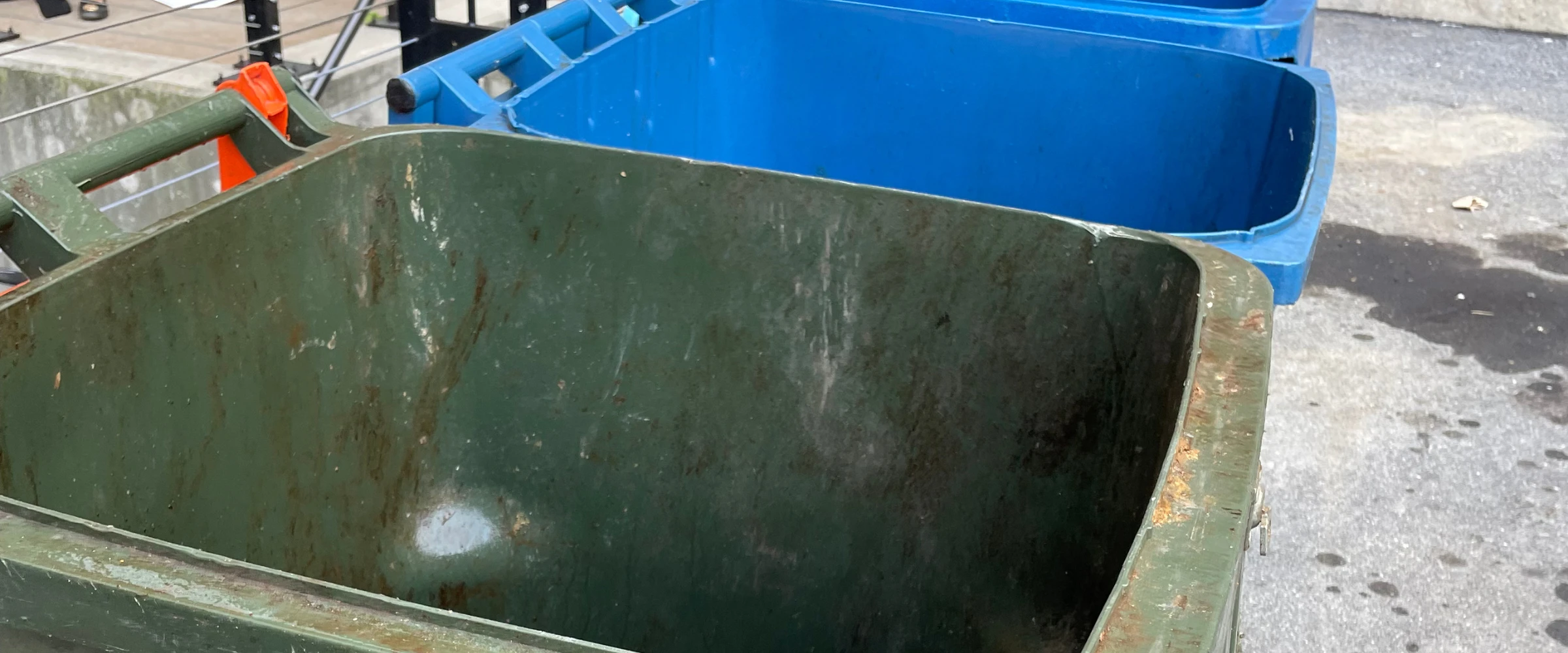
The material left at the bottom of your trash can may seem minor, but small amounts of food residue, grease, liquid waste, and dirt can accumulate over several collection cycles.
Properly sealed garbage bags, fewer liquid spills, a well-fitting lid, and regular cleaning can make a meaningful difference.
If your container still smells after pickup or has stubborn residue that household rinsing isn't removing, our garbage bin cleaning service can help.
At MD Clean, we provide professional curbside cleaning for homeowners in Dayton, MD, using hot water, high-pressure washing, sanitizing, and deodorizing to address buildup inside and outside your bins.
Call 410-844-8143 or Contact Us to learn more about our cleaning options and choose a schedule that works for your household.