What Happens to the Dirty Water After Professional Trash Can Cleaning?
A trash can may look dramatically better after it has been washed, but all of the grime, food residue, liquids, and other material removed from the bin have to go somewhere. That raises an important question: what happens to the dirty water after professional trash can cleaning?
With MD Clean, that wastewater does not simply get left at the curb. We collect the water in our self-contained cleaning unit and dispose of it at an approved dump location. This approach keeps wastewater management as part of the cleaning process rather than treating it as an afterthought.
For homeowners in Dayton and surrounding Howard County communities, understanding what happens after the bin is washed helps explain an often-overlooked difference between a quick driveway rinse and professional trash can cleaning.
The Water Coming Out of a Dirty Bin Is Not Just Water
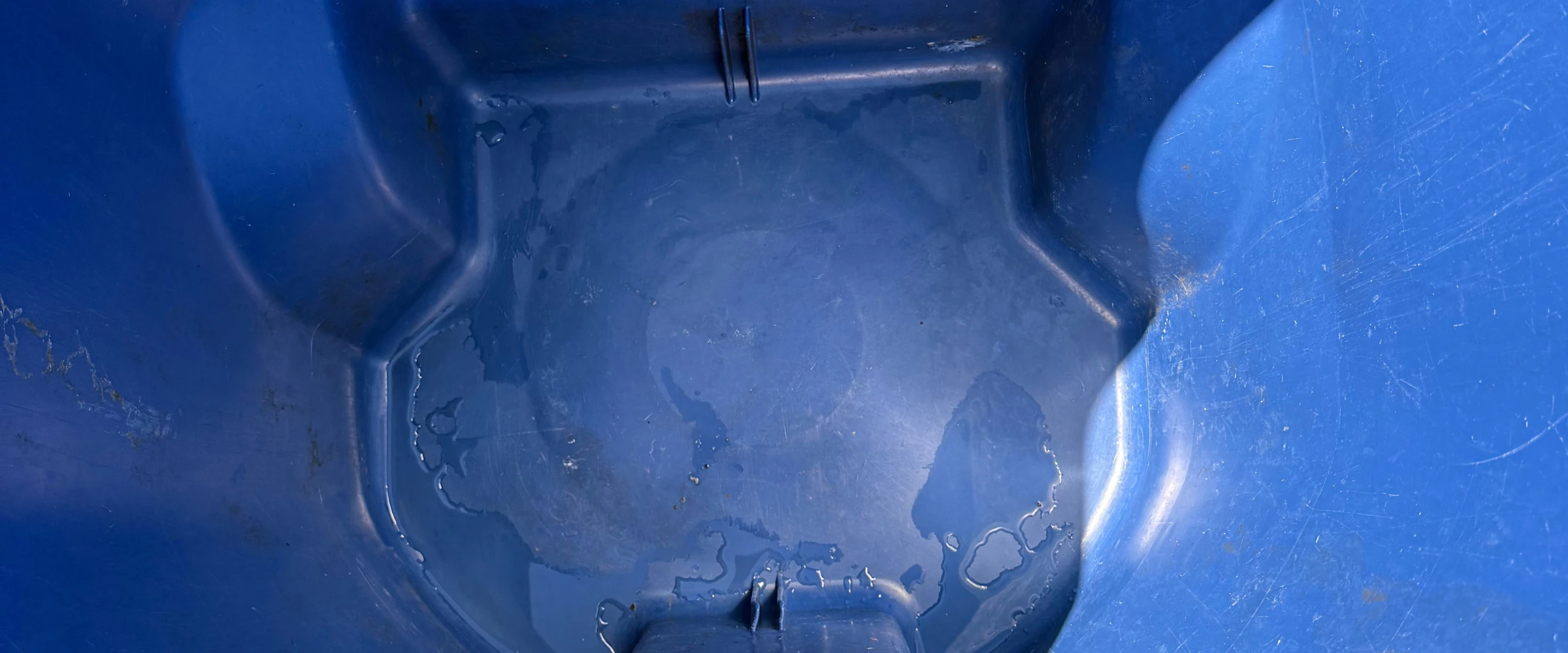
Think about what can collect inside a household trash cart between cleanings. A leaking garbage bag may leave behind food liquids. Loose waste can stick to the bottom. Grime can build up along the walls, underneath the lid, and around the edges of the container.
Once water begins removing that material, the resulting wash water can contain a mixture of:
food residue and organic material
dirt and grime
liquids that leaked from garbage bags
small pieces of loose waste
material loosened from the sides and bottom of the bin
cleaning residue produced during the washing process
That is why the water coming out of a freshly washed trash can should not automatically be treated the same way as clean rainwater.
The goal is not simply to move the mess from inside the cart onto the pavement.
What MD Clean Does With the Dirty Water
Our professional cleaning process includes wastewater handling.
After cleaning a bin, the dirty water is collected in our self-contained unit. We then dispose of that wastewater safely at an approved dump location rather than allowing the cleaning process to simply send dirty water into a nearby storm drain.
This means the process addresses two separate jobs: cleaning the bin itself and managing the water generated while doing it.
That distinction is easy to miss because most people naturally focus on the finished trash can. The wastewater disappears from view, but responsible handling of it is still part of the service.
Why Storm Drains Are Different From Sanitary Sewers
A curbside storm drain may look like a convenient place for water to disappear, but stormwater infrastructure serves a very different purpose from a sanitary sewer.
Howard County explains that stormwater flowing across streets and other surfaces can enter storm drains and travel directly to local streams rather than going to a water treatment plant. The County promotes the simple message “Only Rain Down the Drain” to help residents understand that connection.
The County also asks residents to report situations where substances other than stormwater are flowing onto street surfaces or entering the storm drain system.
That local context makes wastewater handling especially relevant to a curbside service. A professional cleaning process should consider not only how effectively material is removed from the bin, but also what happens to the resulting wash water.
Why A Garden Hose Creates A Different Wastewater Problem
Rinsing a trash can at home can certainly remove loose debris and visible dirt. For a lightly soiled cart, a homeowner may decide that is enough.
The challenge is what happens after you start rinsing.
If the bin is sitting on a driveway or near the curb, the water can carry loosened residue across the pavement. Depending on the property's drainage, that runoff may move toward the street or a nearby storm drain.
Professional cleaning addresses the job differently. MD Clean uses professional equipment and hot-water, high-pressure cleaning to clean bins inside and out. The service also includes sanitizing and deodorizing. Most importantly for this particular question, the wastewater is collected by the self-contained unit rather than simply being ignored after it leaves the bin.
The difference is therefore about more than cleaning power. Wastewater management is part of the process too.
What A Self-Contained Cleaning Unit Changes
A self-contained setup gives the cleaning process a way to manage the water generated during service.
Instead of thinking only about spraying the inside of the cart, the process considers the full cycle:
dirty bin → washing → dirty wastewater → collection → appropriate disposal.
That final part matters.
If cleaning removes old residue but allows the resulting water to flow freely across the street, the mess has partly been relocated rather than fully managed.
With our process, the wastewater is collected and taken to an approved dump location.
Does Professional Trash Can Cleaning Recycle The Water?
Wastewater recovery and wastewater recycling are not the same thing.
MD Clean specifically states that the dirty water from bin cleaning is collected in the self-contained unit and disposed of safely at an approved dump location. We do not need to describe that process as water recycling to explain its benefit.
The key point is simpler: the wastewater generated during the cleaning process is captured and handled instead of being intentionally discharged into a storm drain.
Being precise about that distinction matters because environmental terms can easily become broader than the actual process.
What Happens During The Rest Of The Cleaning Process?
Wastewater management makes more sense when you see where it fits within the overall service.
MD Clean provides curbside cleaning on the scheduled service day. We use hot water and professional equipment to break down grime, followed by sanitizing and deodorizing. Once the process is complete, the bins are returned ready for use.
The service is designed to address the interior and exterior of the container rather than giving it a quick surface rinse.
For households dealing with stuck-on waste, residue, or recurring odors, professional trash can cleaning can also remove the need to manually wash a dirty cart and deal with the resulting wastewater yourself.
Why Wastewater Handling Matters In Howard County
Dayton is part of Howard County, where stormwater management is tied to protecting local waterways.
Howard County explains that stormwater can pick up pollutants as it moves across rooftops, driveways, parking lots, and streets before entering the drainage system and eventually reaching local streams. The County's Stormwater Management Division works to manage water quality and stormwater infrastructure throughout the area.
This does not mean every drop of water from a household trash can automatically creates an environmental emergency. It does explain why there is a meaningful difference between stormwater and wastewater containing material washed from a dirty container.
Containing wash water is a practical way to keep the cleaning process controlled from beginning to end.
Useful Howard County Resources For Understanding Wastewater And Storm Drains
If you want to understand why responsible wastewater handling matters locally, these official resources provide useful background.
Howard County Prevent Stormwater Pollution
The Howard County Prevent Stormwater Pollution resource explains illicit discharges, stormwater pollution, and how certain types of outdoor wash water should be managed. It also provides information for reporting suspected discharges.
Howard County Stormwater Management
The Howard County Stormwater Management Division provides information about local stormwater facilities, streams, floodplains, drainage concerns, and water-resource management.
Howard County Storm Drain Information
The County's storm drain information and maintenance guidance explain how runoff reaches local waterways and why residents are encouraged to keep pollutants and debris away from storm drains.
Howard County Bureau Of Environmental Services
The Bureau of Environmental Services oversees several local programs related to waste, recycling, residential curbside collections, and stormwater management.
These resources are useful if you want a deeper understanding of what happens to water after it enters local drainage infrastructure.
Frequently Asked Questions About Trash Can Cleaning Wastewater
Does MD Clean Let Dirty Water Run Into The Storm Drain?
No. The wastewater from our trash can cleaning process is collected in our self-contained unit and disposed of at an approved dump location.
Why Can't Dirty Bin Water Simply Go Down A Storm Drain?
Storm drains are designed to manage stormwater. Howard County explains that runoff entering its storm drainage system can travel directly to local streams rather than a wastewater treatment plant. That is why keeping non-stormwater discharges out of storm drains matters.
Is Trash Can Wash Water Considered The Same As Rainwater?
Not necessarily. Water used to clean a dirty trash can can pick up food residue, grime, organic material, and other substances from inside the container. Rainwater and wash water containing removed debris are therefore not automatically equivalent.
Can I Still Rinse My Own Trash Can?
A homeowner can clean a trash can at home, and a basic rinse can remove loose debris and some visible dirt. The practical challenge is controlling the runoff and thoroughly cleaning areas with stuck-on residue. Always consider where the wash water will travel and follow applicable local guidance.
Does MD Clean Clean The Outside Of The Bin Too?
Yes. MD Clean's published service plans include full cleaning inside and out.
When Are The Bins Cleaned?
MD Clean provides curbside cleaning on the scheduled service day and integrates the service into the customer's trash-day routine.
What If My Trash Can Gets Dirty Again After It Is Cleaned?
Trash cans naturally become dirty again as new garbage is added. Leaking bags, food waste, liquids, moisture, and material sticking to the container can gradually create new buildup. Recurring cleaning can help manage that accumulation rather than assuming one cleaning will keep a bin permanently clean.
Does MD Clean Offer Different Cleaning Frequencies?
Yes. Current options include monthly cleaning every four weeks, quarterly cleaning every twelve weeks, and one-time cleaning. The monthly and quarterly plans include two bins, as does the one-time service, with additional-bin options available.
The Cleaning Isn't Finished Until The Dirty Water Is Handled
A clean trash can is only the visible result of the process. The water used to remove old residue, liquids, and grime also needs somewhere appropriate to go. Professional trash can cleaning addresses both the condition of the bin and the wastewater created during the cleaning process.
At MD Clean, we collect that wastewater in our self-contained unit and dispose of it at an approved dump location. That allows us to provide thorough trash can cleaning, including cleaning, sanitizing, and deodorizing bins, while also managing the dirty water produced during the job.
If you're in Dayton, MD, or the surrounding Howard County area and need professional trash can cleaning, call 410-844-8143 or contact us to get started.